

A look into NLP-integrated medical documentation
April 27, 2026
Historically, medical documentation has been a laborious process that frequently diverts medical professionals from patient care. Healthcare is moving into a new era where unstructured notes are transformed into structured, useful data thanks to the development of Natural Language Processing (NLP). The way that transcriptionists, medical professionals, and healthcare systems handle data is being altered by this change.
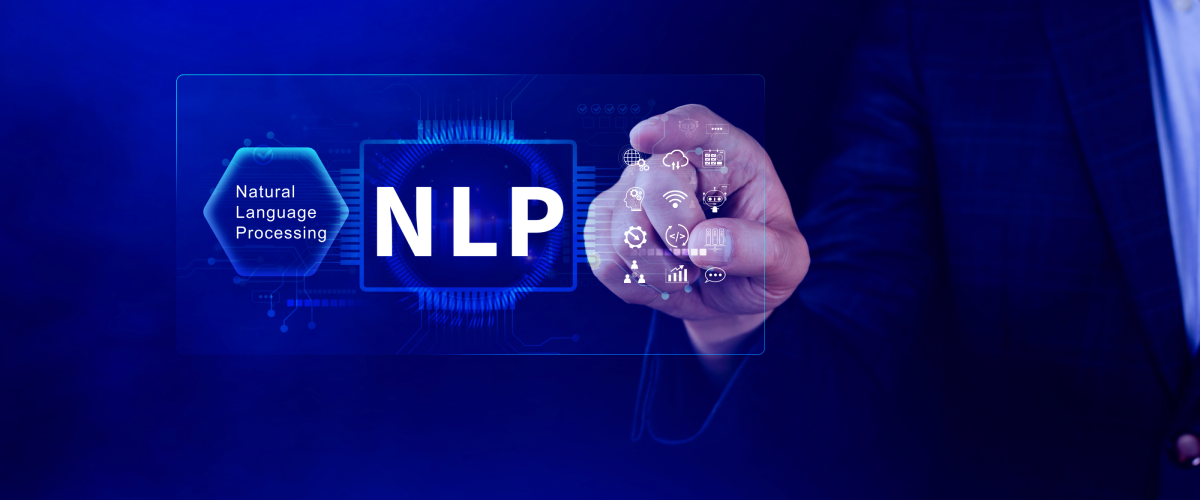
Natural Language Processing
- Gives medical professionals instantaneous information while they are interacting with patients. More time spent with patients and less typing.
- Extracta relevant data by finding allergies, prescription drugs, and test results that are concealed in free-text notes.
- Creates structured notes from spoken conversations between patients and clinicians automatically and also transforms unstructured text into EHR-compatible formats.
- Arrives at important conclusions, diagnoses, and treatments from extensive records. Determines the risk factors for disease progression or readmission.
- Reduces mistakes in the names, dosages, and diagnostic codes of medications. Identifies gaps in care, unusual results, or missing allergies, and therefore improves accuracy.
There is no denying some risks too.
- Algorithms can be confused by accents, background noise, and specialized jargon.
- NLP systems need to abide by GDPR and HIPAA.
- Socio-behavioral subtleties may be missed by models trained on small datasets.
- Investment is needed to integrate NLP into various EHR systems.